cell_tower
Broadcast Station
visibility
8 views
schedule
2 months ago


CULCHR.TV
Vintage Exclusive
Up Next
Network Discovery

visibility
8 views
schedule
19:21
2026
2 months ago
Pacific Air War: Why Japanese Fighters Couldn’t Stop the B-29 Superfortress (WW2)
#PacificAirWar #B29Superfortress #ww2
The Pacific Air War reached a turning point when the B-29 Superfortress began bombing Japan from newly captured island bases. Designed with advanced technology and an unprecedented defensive system, the B-29 quickly proved far more difficult to stop than earlier Allied bombers.
During the devastating Tokyo firebombing of March 9, 1945, Japanese fighter pilots attempted to intercept the massive bomber formations. Aircraft like the Ki-84 Hayate, one of Japan’s most advanced fighters, climbed into the night sky to challenge the incoming bombers. But many pilots soon discovered that the B-29 was protected by something they had never faced before: a revolutionary remote-controlled gun system guided by analog fire-control computers.
Instead of individual gunners aiming separate turrets, the B-29 could coordinate multiple defensive guns to track a single attacking fighter at once. The result was overwhelming defensive fire that made traditional interception tactics extremely dangerous.
In this video, we explore the technology behind the B-29 Superfortress, the tactics used by Japanese fighter pilots, and why the air battles over Tokyo revealed a widening technological gap in the final months of World War II.
🚀 Key Chapters:
- The Night Over Tokyo Begins
- Japan Scrambles Interceptors
- The Arrival of the B-29 Superfortress
- Why the B-29 Was So Advanced
- Japanese Fighter Tactics Explained
- The First Attack Run
- The B-29 Defensive Gun System
- Firebombing of Tokyo Begins
- A Fighter Crippled by Defensive Fire
- The Technology Gap in the Pacific War
- The Legacy of the B-29
📌 Explore more World War II aviation stories in our playlist:
https://www.youtube.com/playlist?list=PLprHKdyVuicT1V5OoNVcfQr0Iw5r49nvs
#PacificAirWar #B29Superfortress #TokyoFirebombing #WW2Aviation #WorldWar2History #JapaneseFighters #WW2AirWar #MilitaryHistory
apparel
Vintage
steps
Sneakers
checkroom
Streetwear
sports_esports
Gaming
travel
Travel
chef_hat
Food
broadcast_on_home
Tech
child_care
Kids
sell
Reselling
sports
Sports
comedy_mask
Comedy
tv_guide
Entertainment
skateboarding
Skate
style
Cards
history_2
Retro
money_range
Business
headphones
Music
dictionary
Learn
rss_feed
News
wall_art
Art
landscape
Outdoors
newspaper
Docuseries
manga
Anime
sports_kabaddi
Wrestling
styler
Lifestyle
car_gear
Auto
supervisor_account
Reality
shopping_bag
Shopping
diamond
Luxury
military_tech
Military
borg
Sci-Fi
language_international
International
grass
Western
weather_hail
Weather
movie
Movie
car_gear
Engineering
casino
Gameshow
home_and_garden
Home
universal_local
Local
bath_soak
Relaxation
More to Watch

1:38:52
Talking History in a Winter Storm w/ Andrew Biggio of The Rifle
8.9K views • 4 months ago

6:36
Democracy & The Adoption of the Articles of Confederation | The American Revolution
33.1K views • 5 months ago
59:59
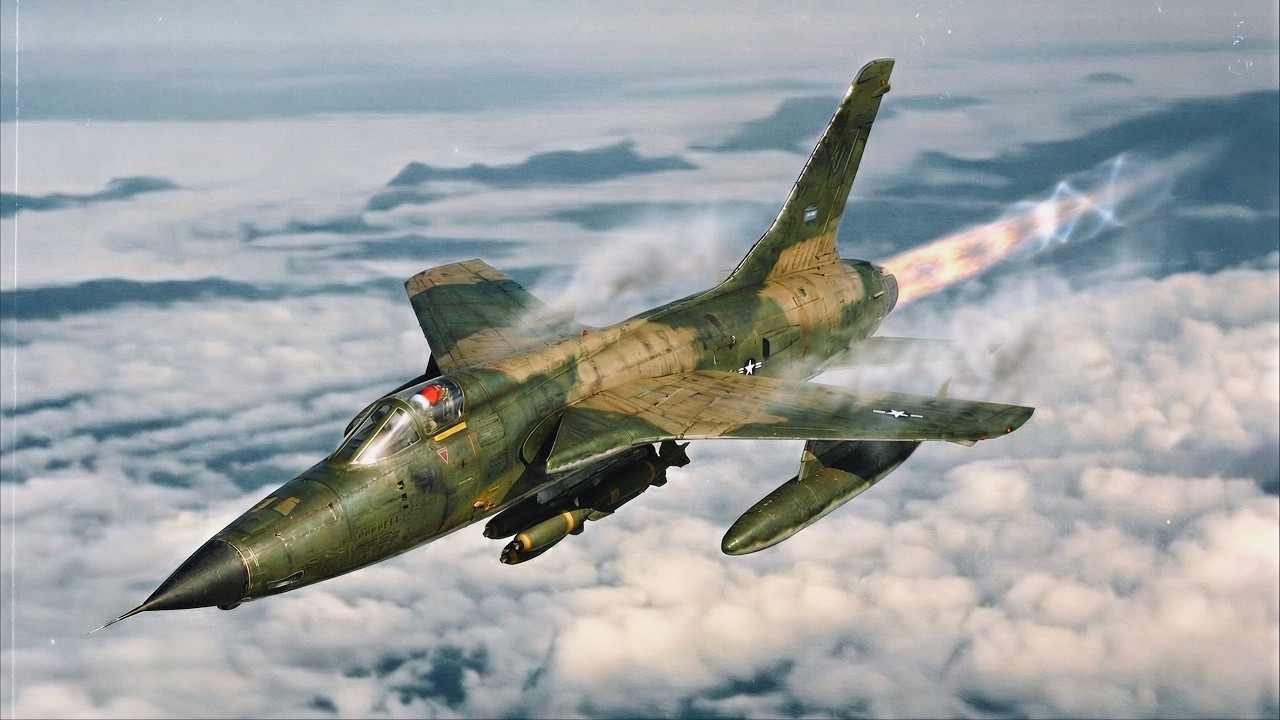
Vietnam War, 100 Missions to Survive: The Cold War Air Combat Reality [Restored Real Footage]
8.3K views • 3 months ago

2:16
Survivalists Get Eaten Alive by Bugs | Naked and Afraid
6.9K views • 2 months ago

17:42
Duarte Pereira - Part 1 - Age of Discovery
50.3K views • 2 years ago

30:07
The Norman Conquest of Sicily (1061-1091) Medieval History Documentary / Roger The Great Count
186.7K views • 6 years ago